
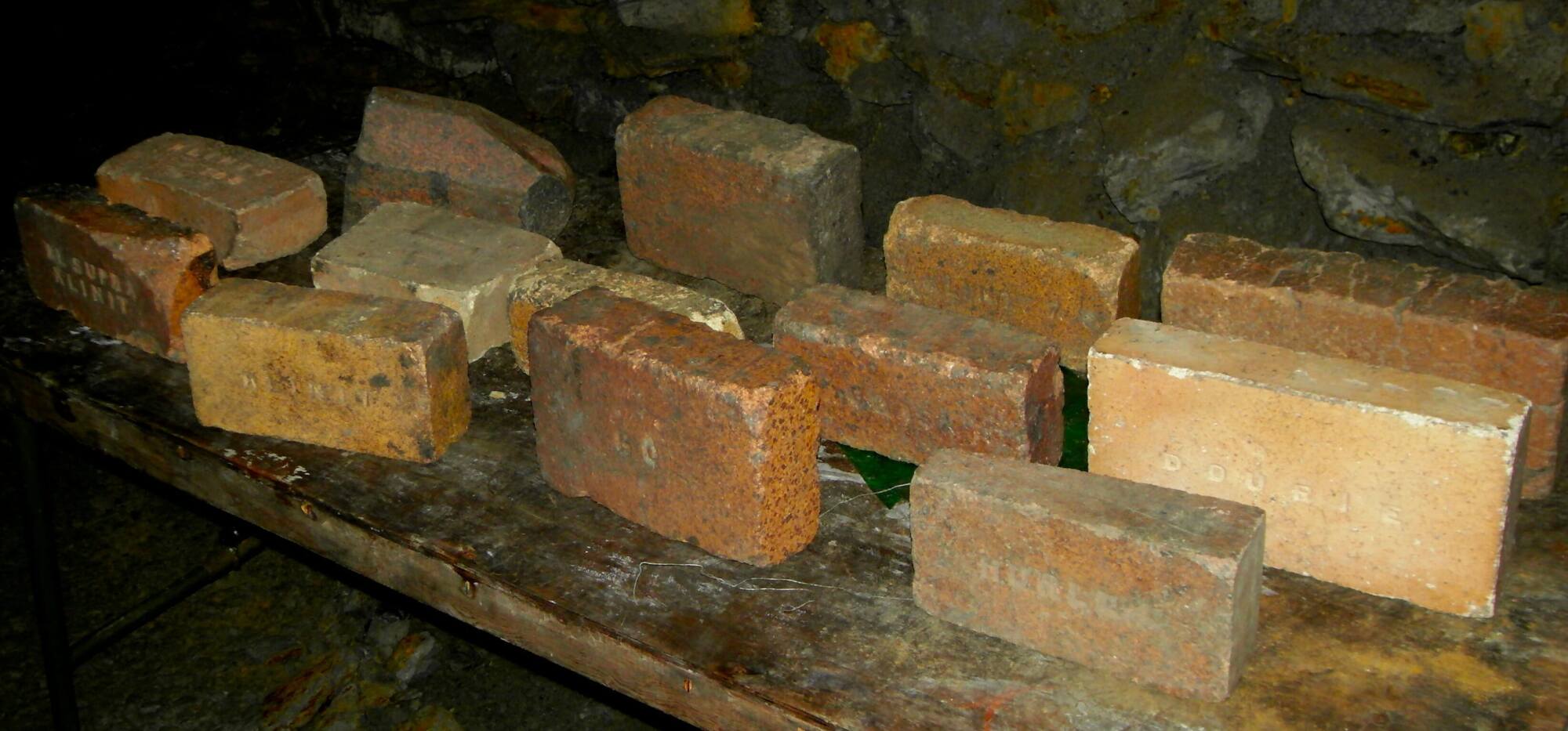
Fireclay is used mainly for making bricks for use in metal foundries, kilns and fireplaces, because it can withstand high temperatures. Birkhill Fireclay Mine supplied the local foundries and furnaces in the central belt of industrial Scotland, so was fundamental to the Industrial Revolution as it happened in Scotland. The mine is in the Avon Gorge and was arrived at on the Bo’Ness to Kinneil Railway. The museum, however, has been closed since 2011.
These works are what are seen first in the museum and would have processed the fireclay by crushing it into a powder for sale to fireclay brick manufacturers. They sat at the top of the gorge, with the mined fireclay brought up in train trucks.They have since been demolished.
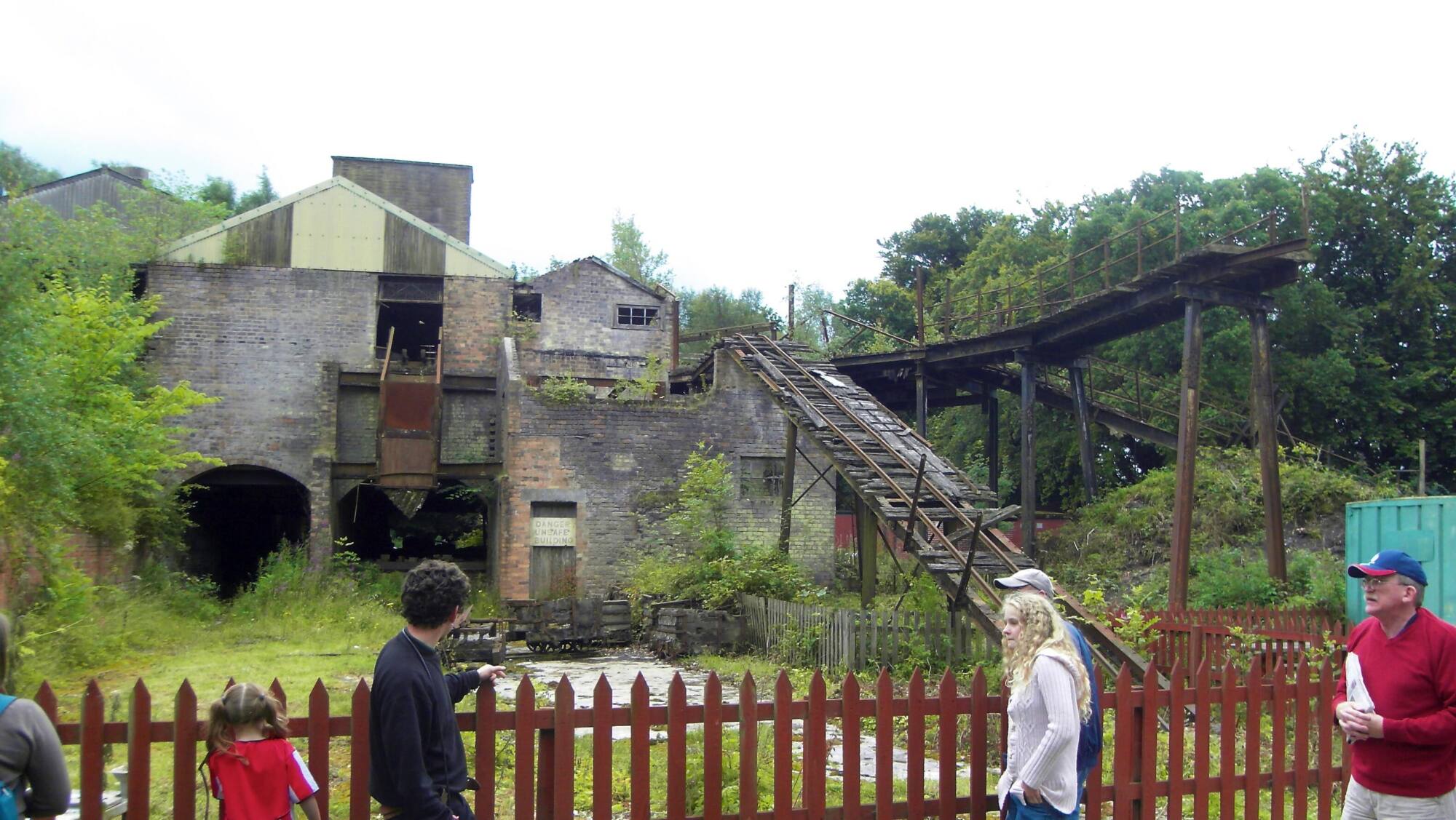
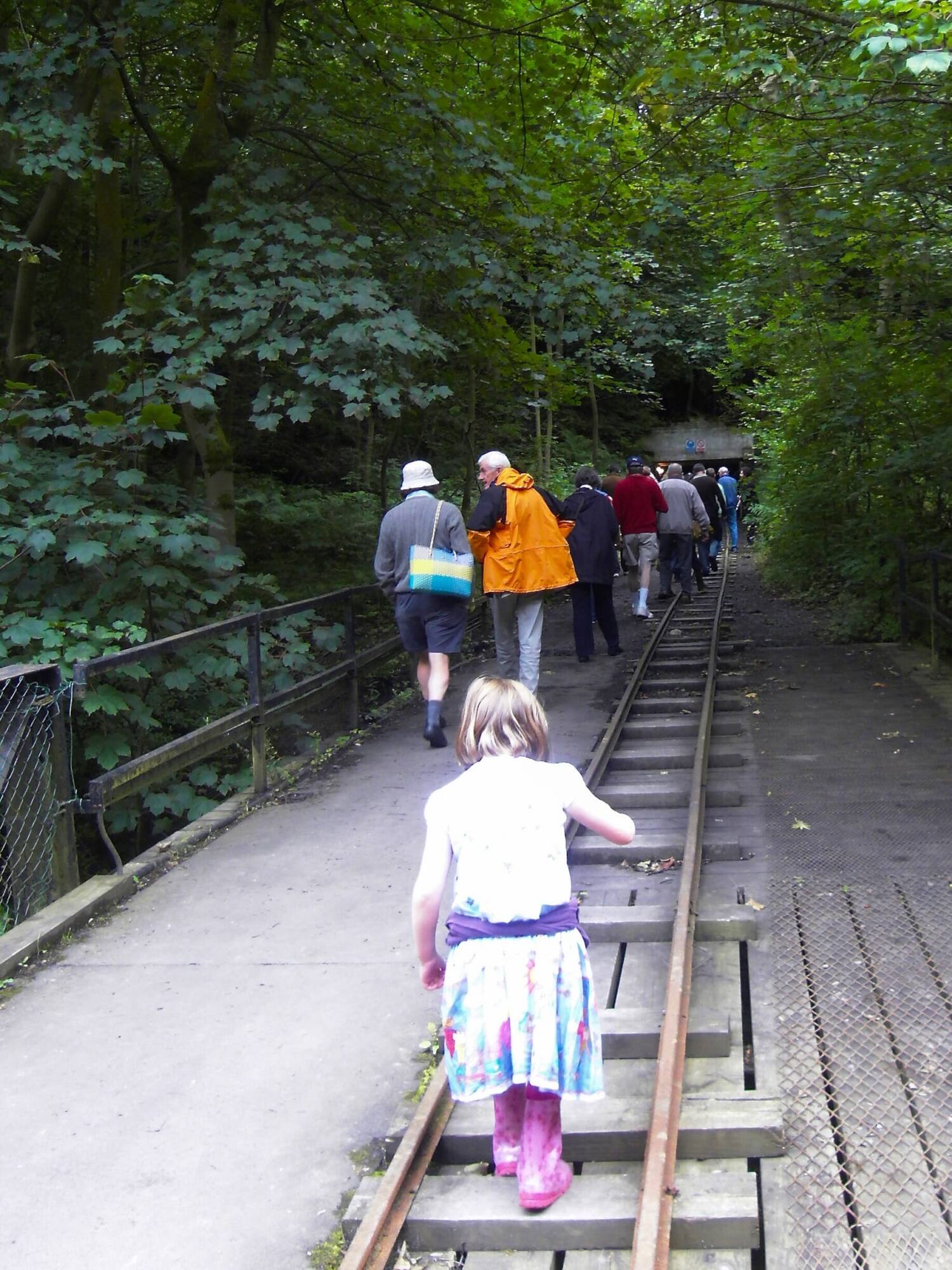
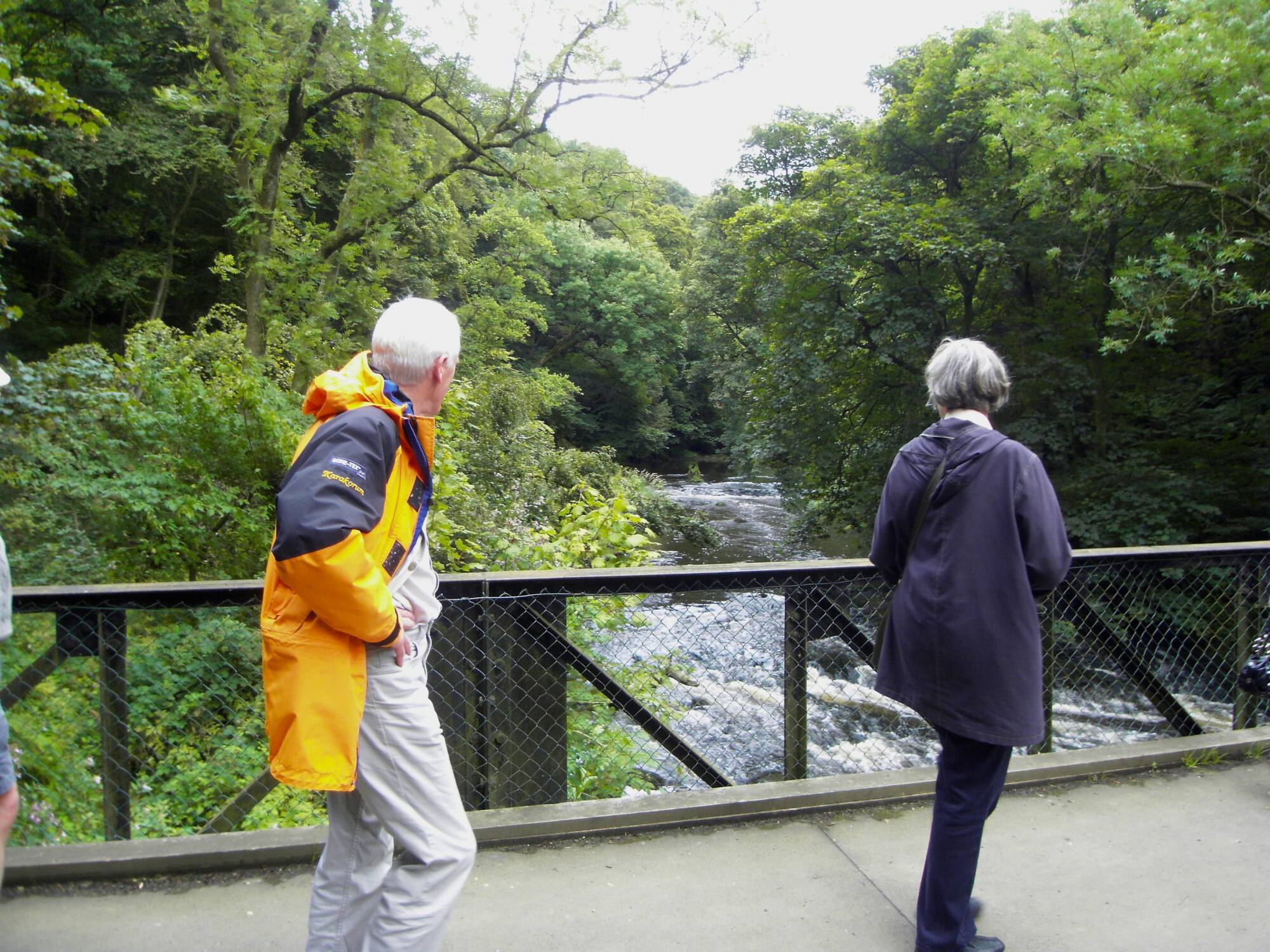
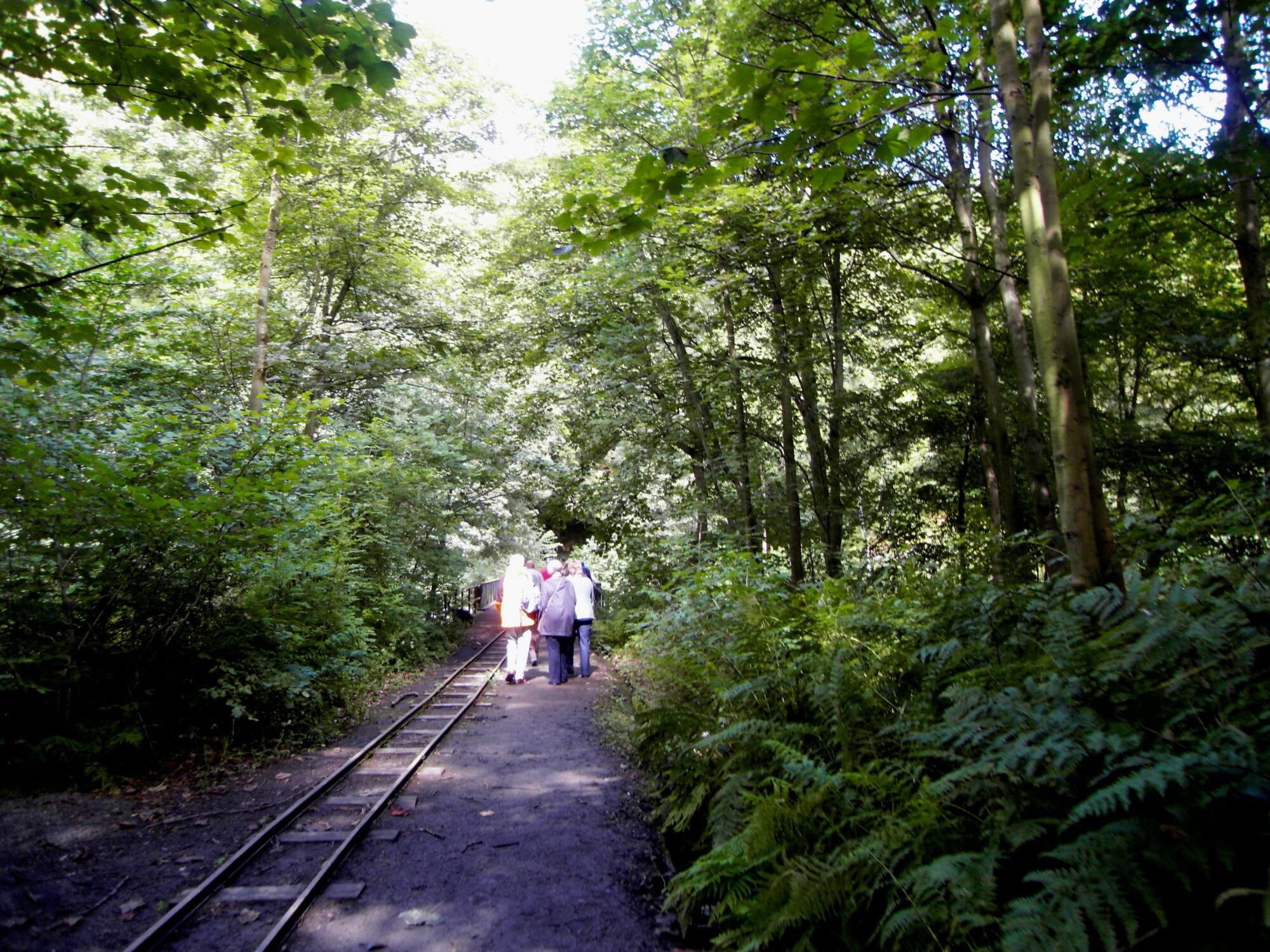
The visit to this mine comprised a lovely train journey, a walk through forest in the Avon Gorge and then underground to the mines. The guides described the life of the fireclay miners, the marks of ancient riverbeds in the roof of the mine and the 300 million-year-old fossils, laid down in the Carboniferous Period, long before the dinosaurs walked the earth.
Fireclay
The different forms of clay is fascinating. It varies from the fairly rare china clay, which has to be blasted out of the granite rock hills and is non-plastic, must be blended with other materials to make it workable by the potter, and becomes white and extremely hard when fired at high temperatures; to the very common terracotta, which are settled beds of surface clay and is highly plastic, is almost ready to use by a potter and becomes reddy-brown and relatively soft when fired at low temperatures. Then there is fireclay at Birkhill, which is deep down in the ground and is so hard it can support remarkably wide tunnels without support, is highly plastic but requires grinding before use, and fires to various grey colours at high temperature. Its main quality is that is is highly refractory that it can stand very high temperatures.
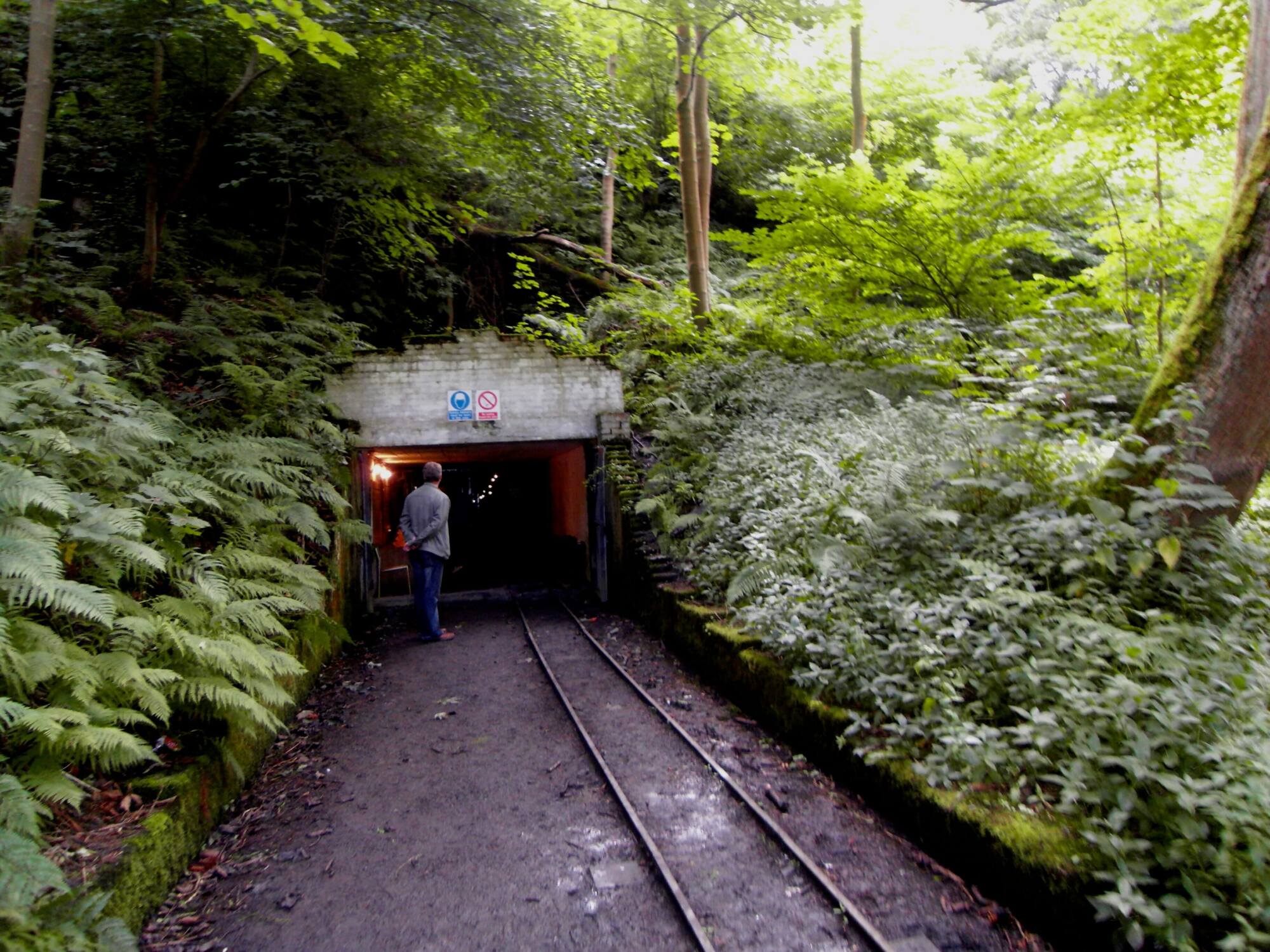
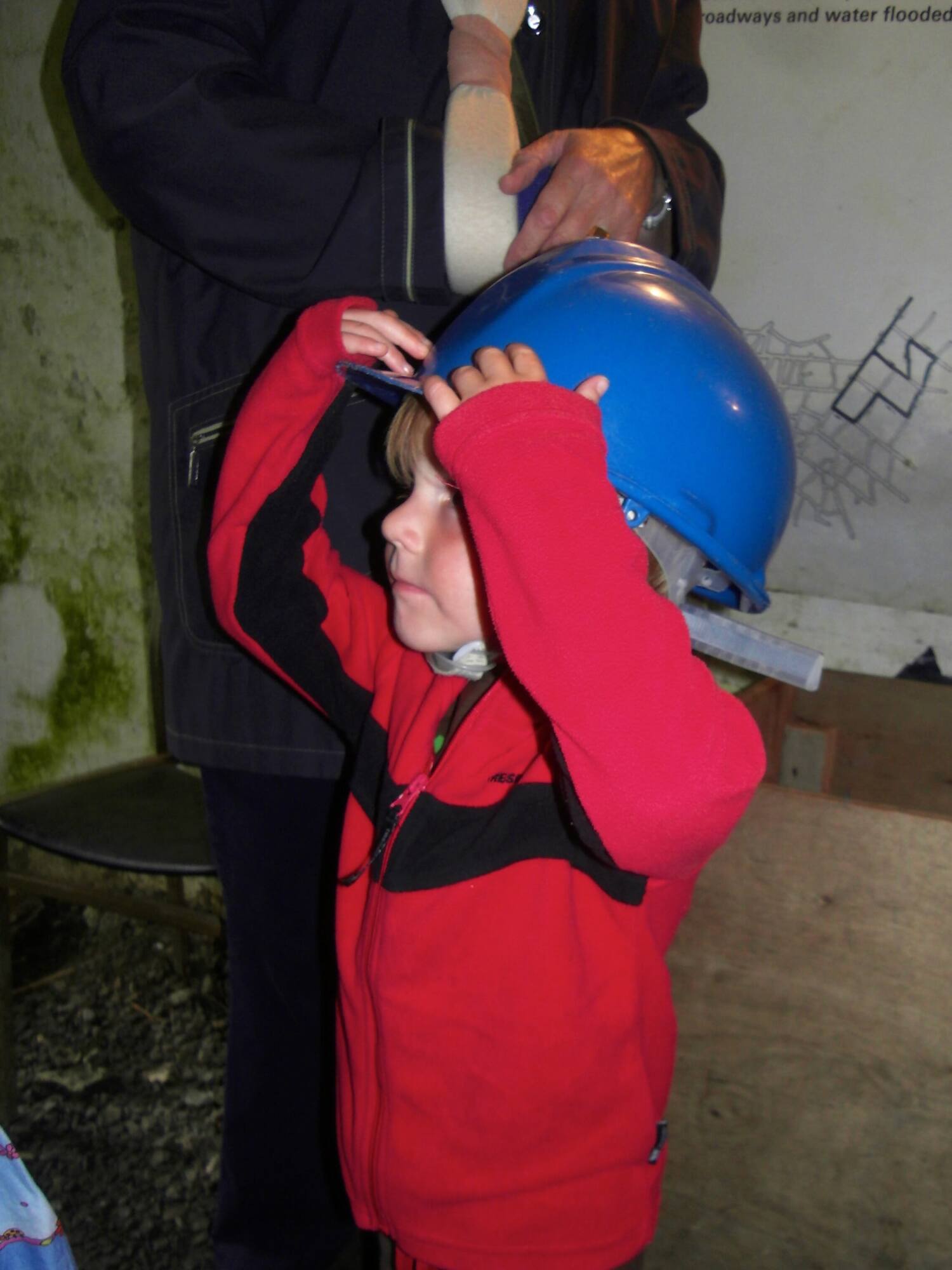
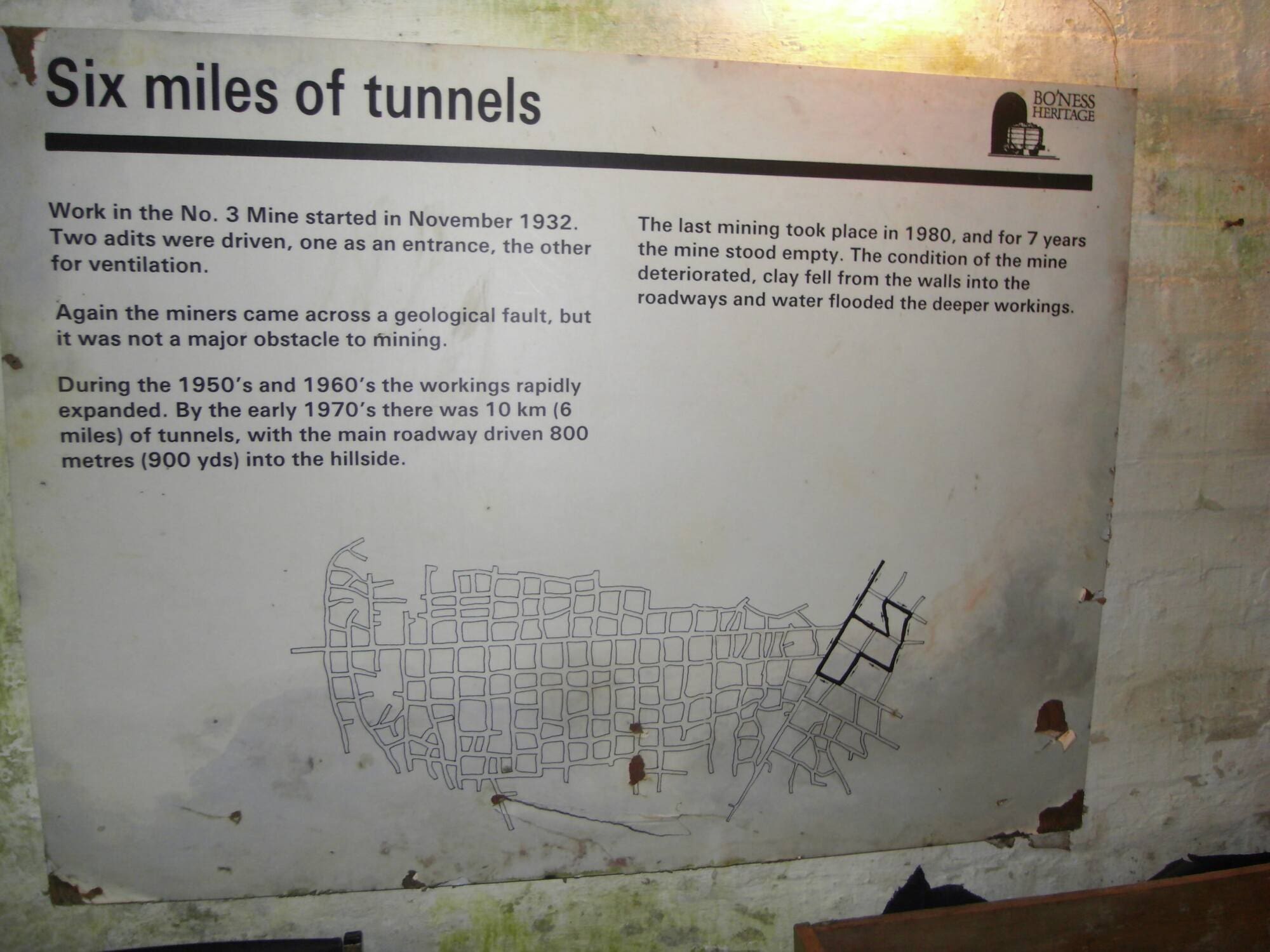
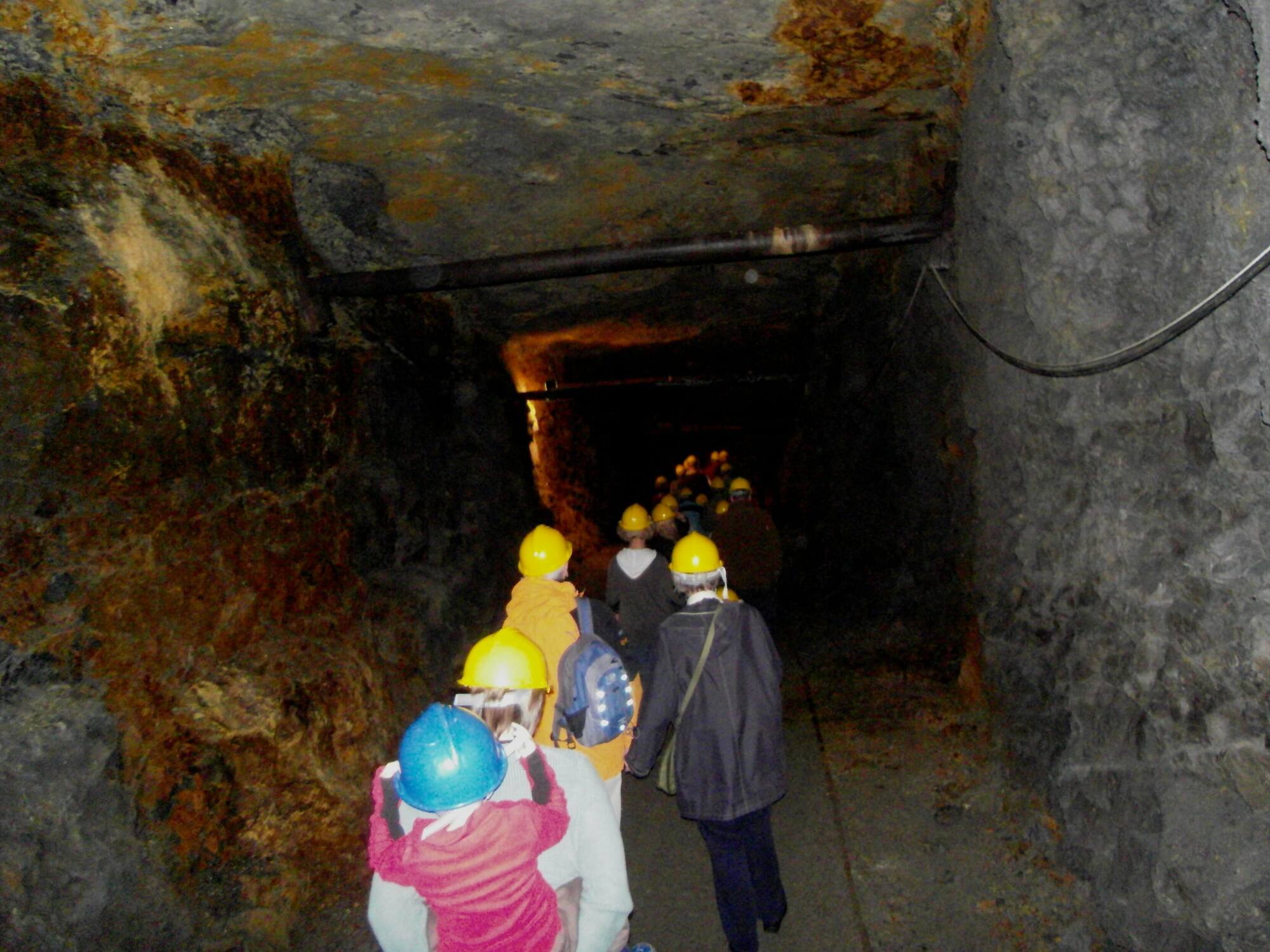
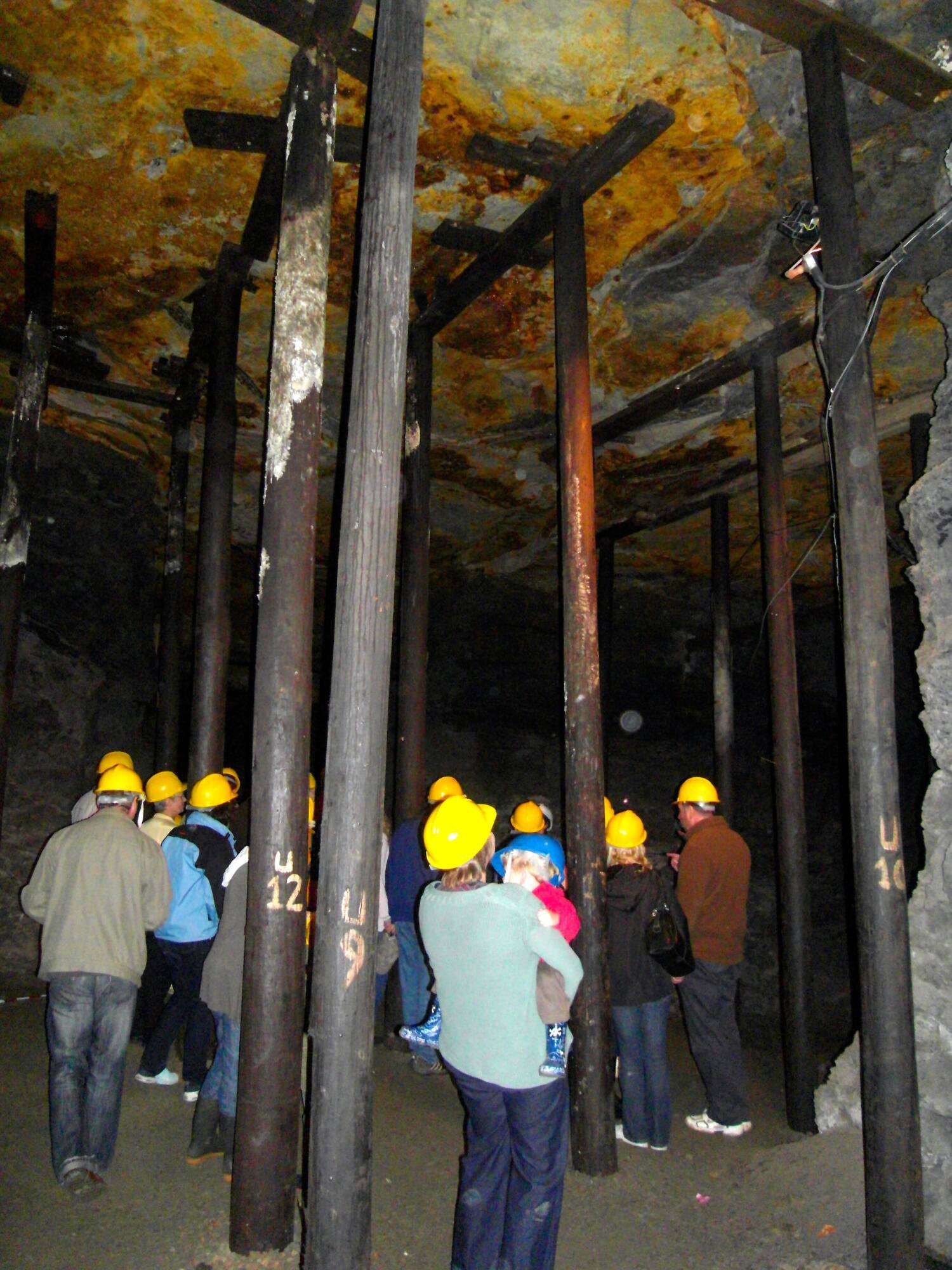
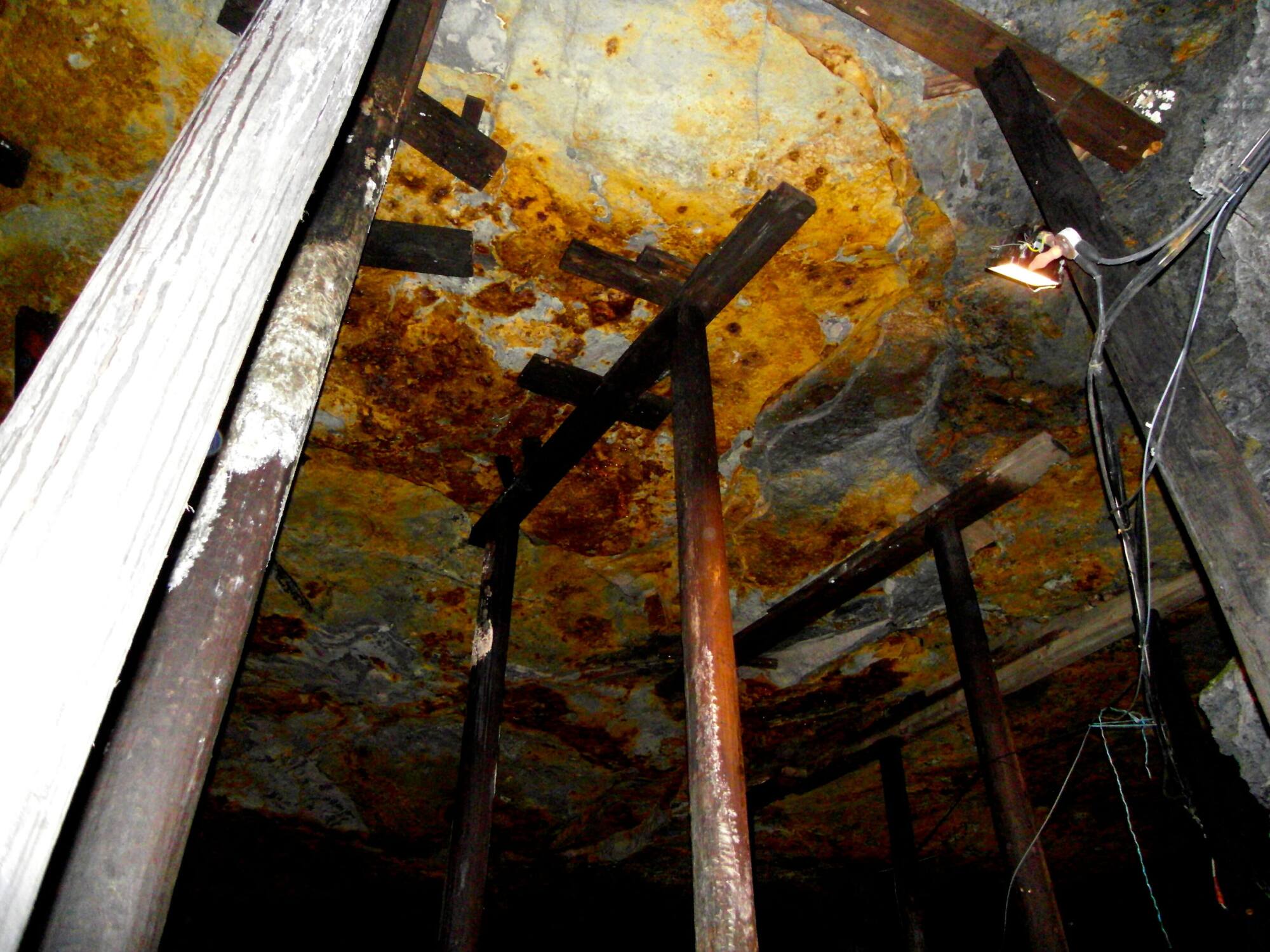
Miners worked in extraordinarily low light conditions, hacking away at the mine walls and filling trucks to be taken up to the top.
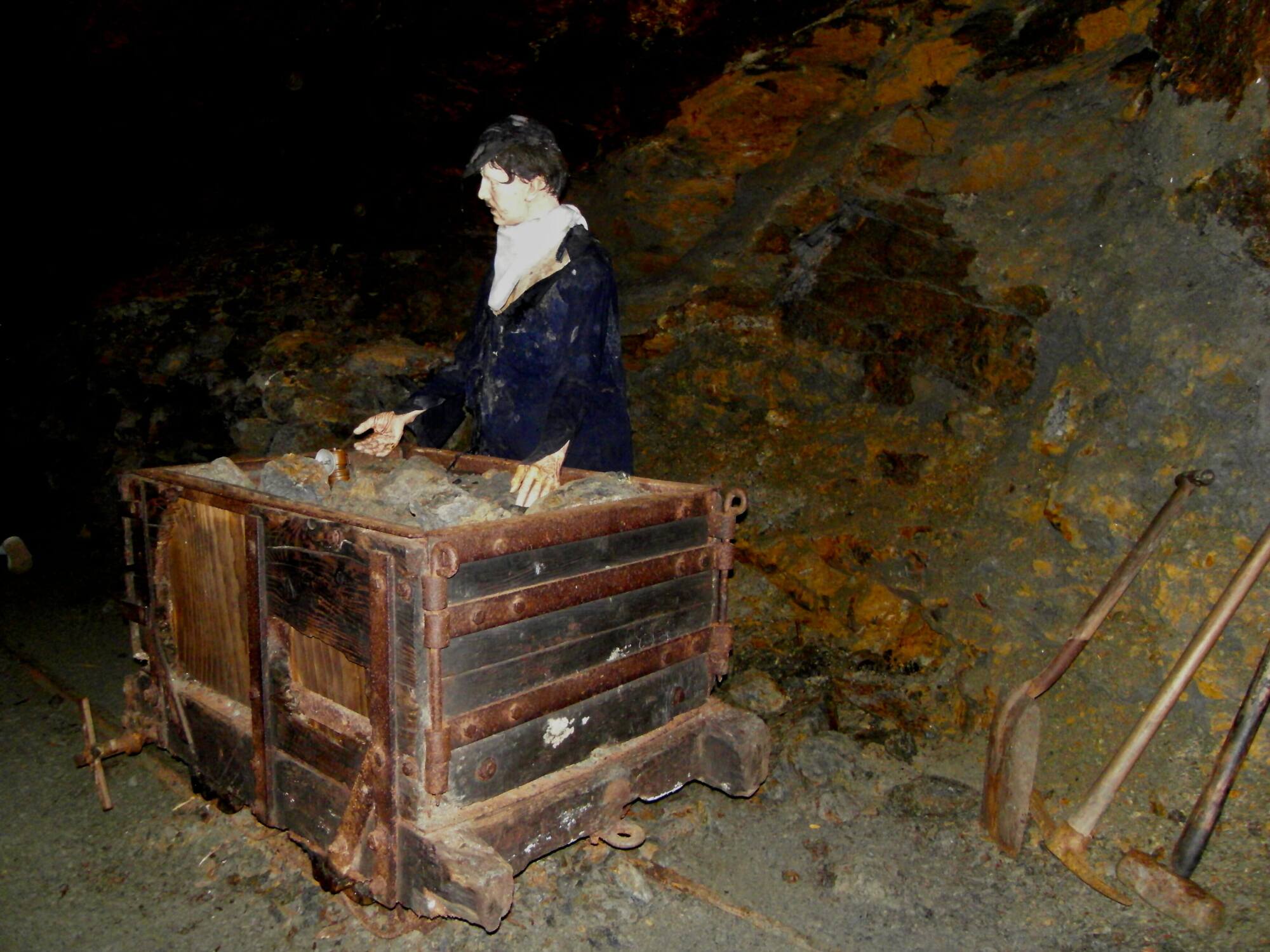
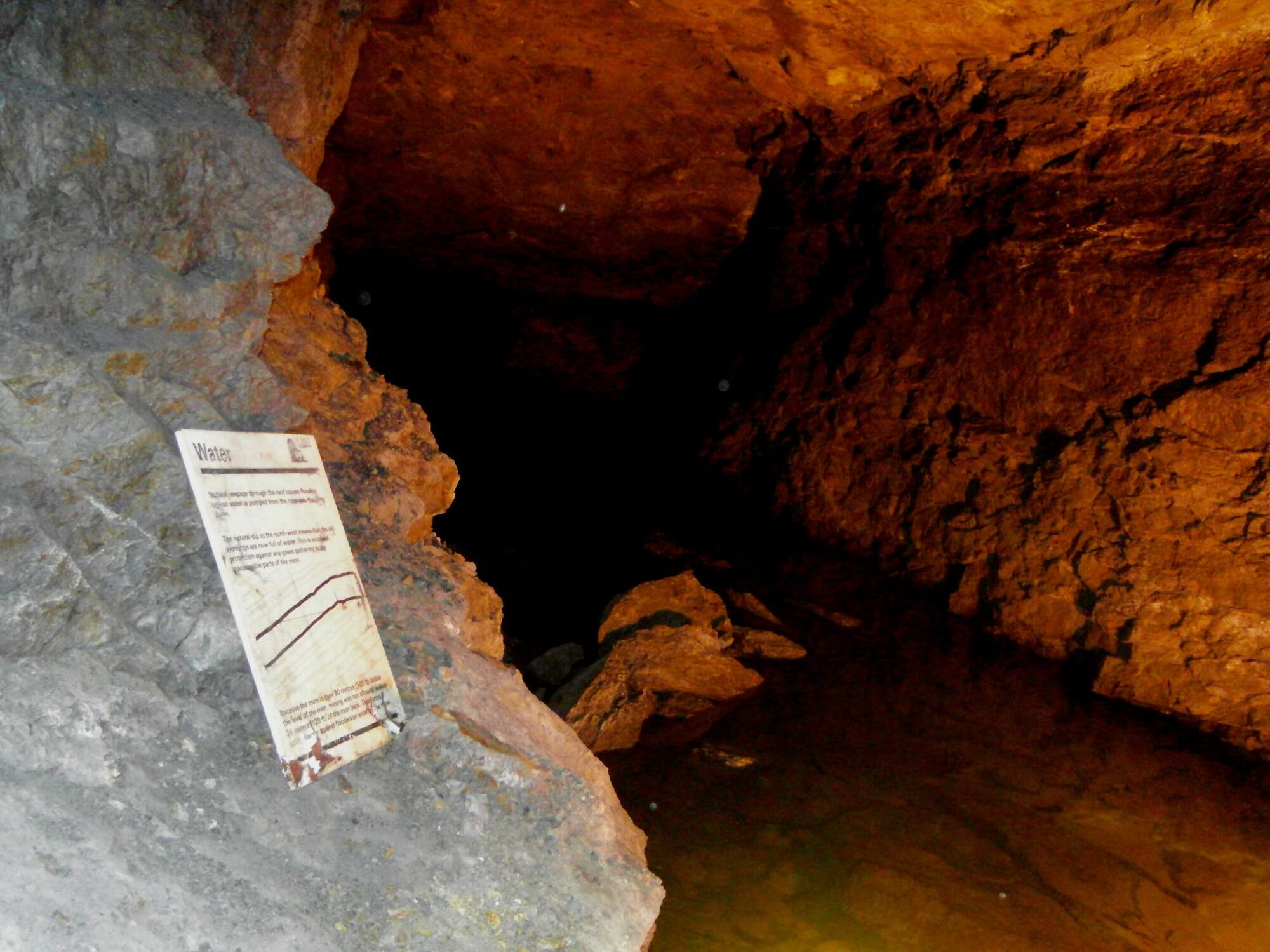
Dead end tunnels were often dug off from the main mine. After reaching a certain depth, mines require ground water to be constantly pumped out – a problem that was only resolved by the development of the steam engine. Since this mine is no longer used, there are no pumps in operation and water fills it’s lower levels.
It is a shame this museum is no longer open, as it was a fascinating place to visit.