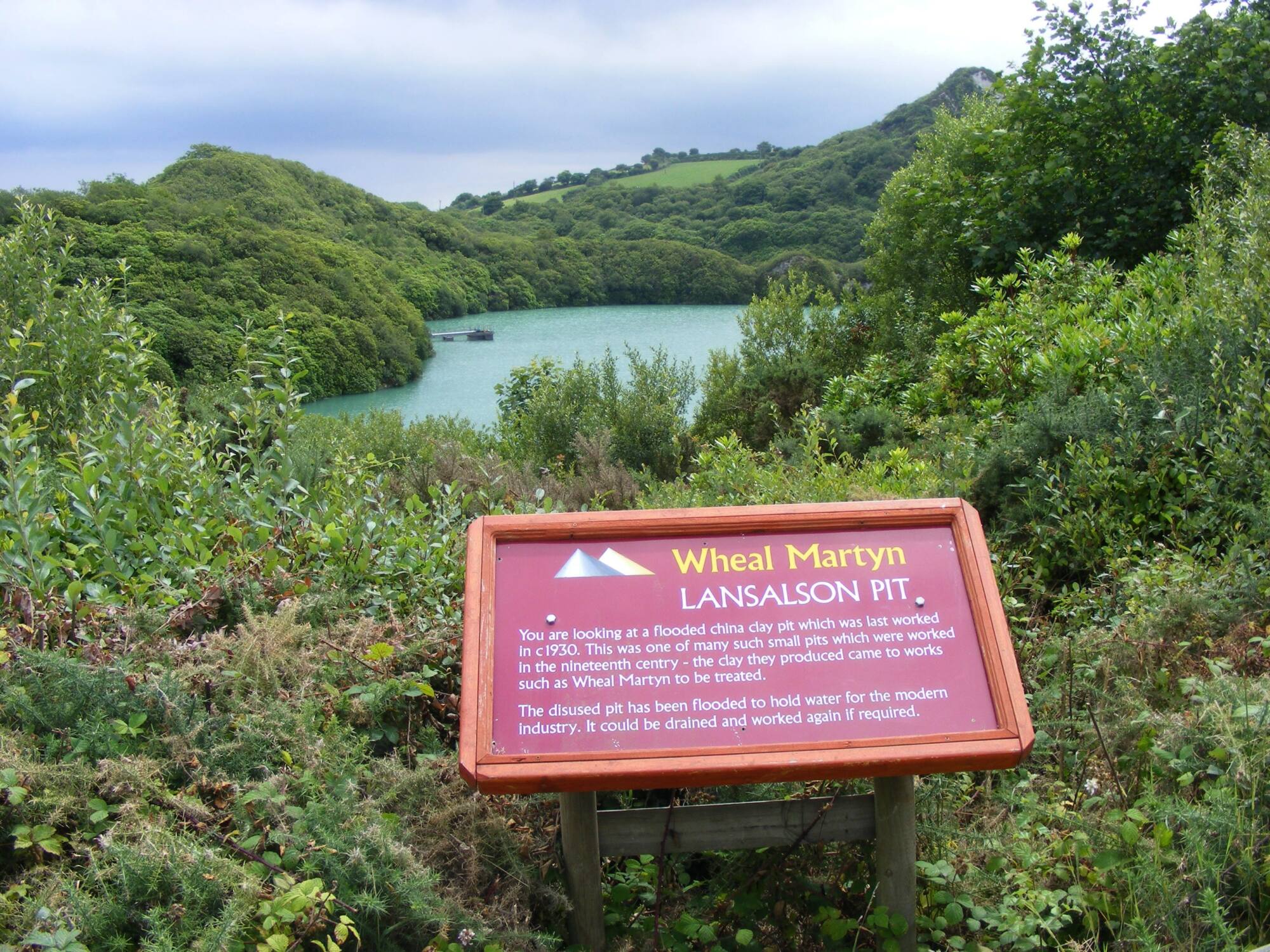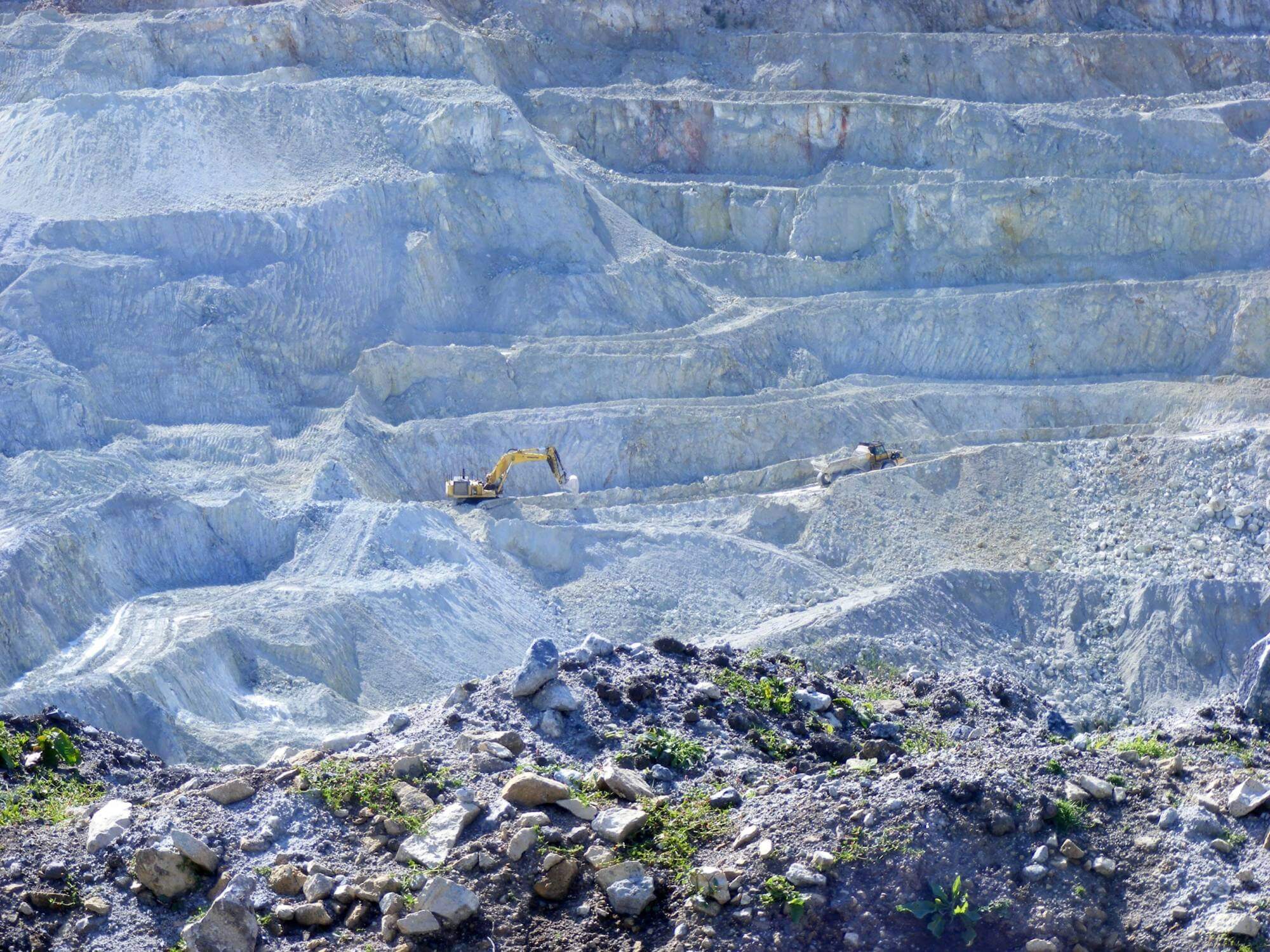
China clay is mined in Cornwall around St Austell. Wheal Martyn Clay Works museum gives a wonderful journey through the old industry, with the surprise of seeing a huge modern pit still operating at the end. It also shows many other aspects of ceramics and pot making. This is must see visit if in the area and is family friendly too.
The museum tells the story of china clay backwards, taking visitors from the bottom of the hill where the clay was despatched, working upwards through various settling and drying pans, to the top of the hill and spectacular views of the working clay pit. It is laid out in this way because water and gravity were so much used in the clay cleaning process. For clarity this article will look at the process from getting the raw material and on through the process of refining to end up with china clay.
Background
The 18th century saw Europeans consumed with a lust for the ceramics imported from China. This set in motion in an intense hunt for whiteness and translucency in ceramics. The discovery of a clay -‘china’ clay – made this possible through the development of European porcelains and other white clay bodies.

China clay is known by potters as a primary clay, meaning it hasn’t moved position by water or wind erosion and so remains very pure. Notably, it hasn’t picked up lots of iron causing it to fire to a brown colour, nor have the clay particles been ground down to make it plastic and lower it’s melting point, which is the case with secondary clays. Cornish china clay is decomposed granite and sits where it was created, amongst granite pieces and has to be washed out by water.
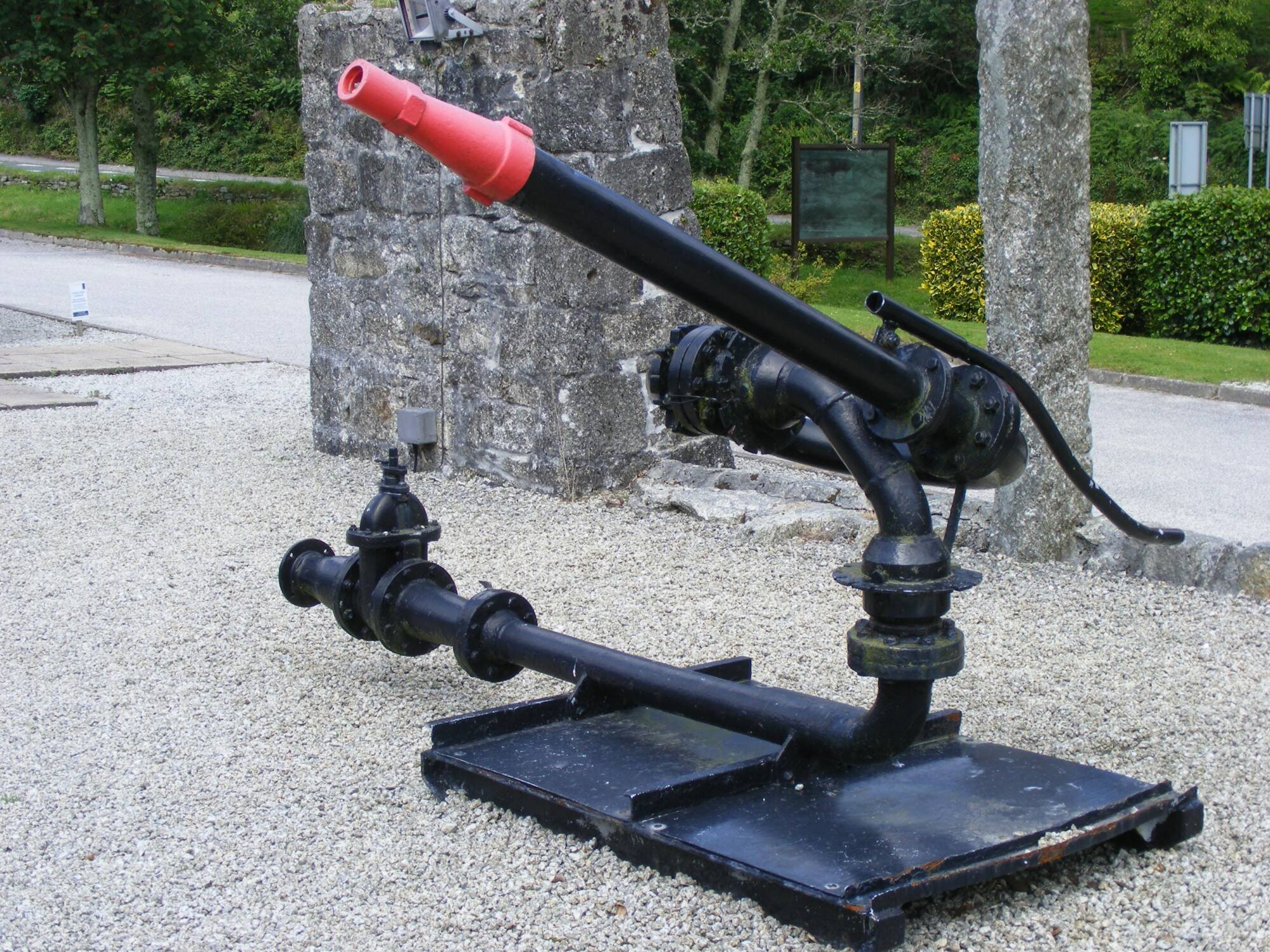
Monitors
By the 1920’s they were blasting the rock with water canon called monitors.
Pumps and drive mechanisms: water wheel and flat rods
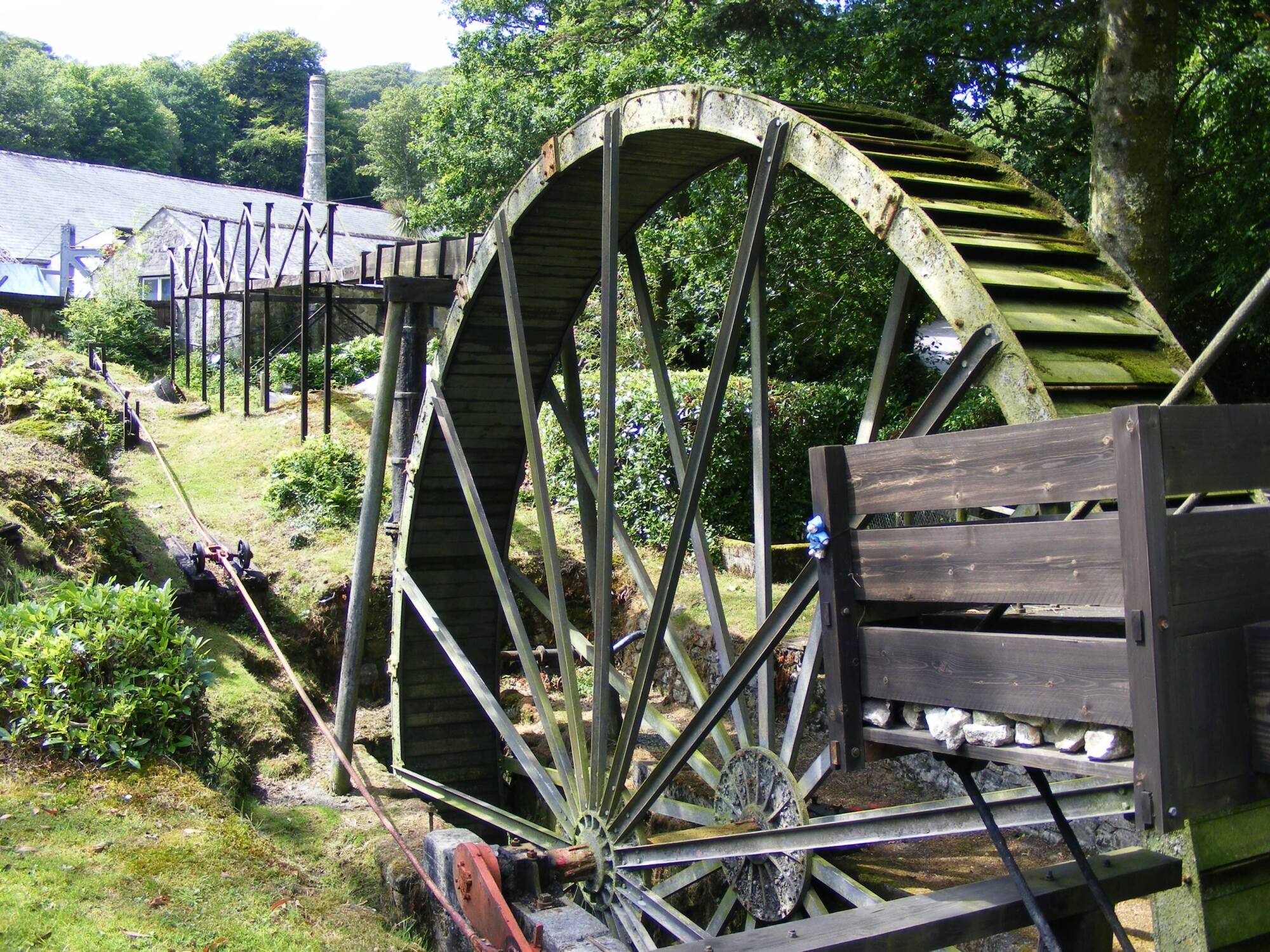
As pits were dug and water blasted down, the clay slurry had to be pumped from the bottom of the pits up to a height which allowed it to flow down towards a variety of settling tanks, where the the mica and granite stones were separated from the clay and the clay was dried. In the early days, power to the pump was supplied by a water wheel, positioned some distance away. A complicated series of rods was devised to get the power from the water wheel to the pump.
Water wheel
Flat rods
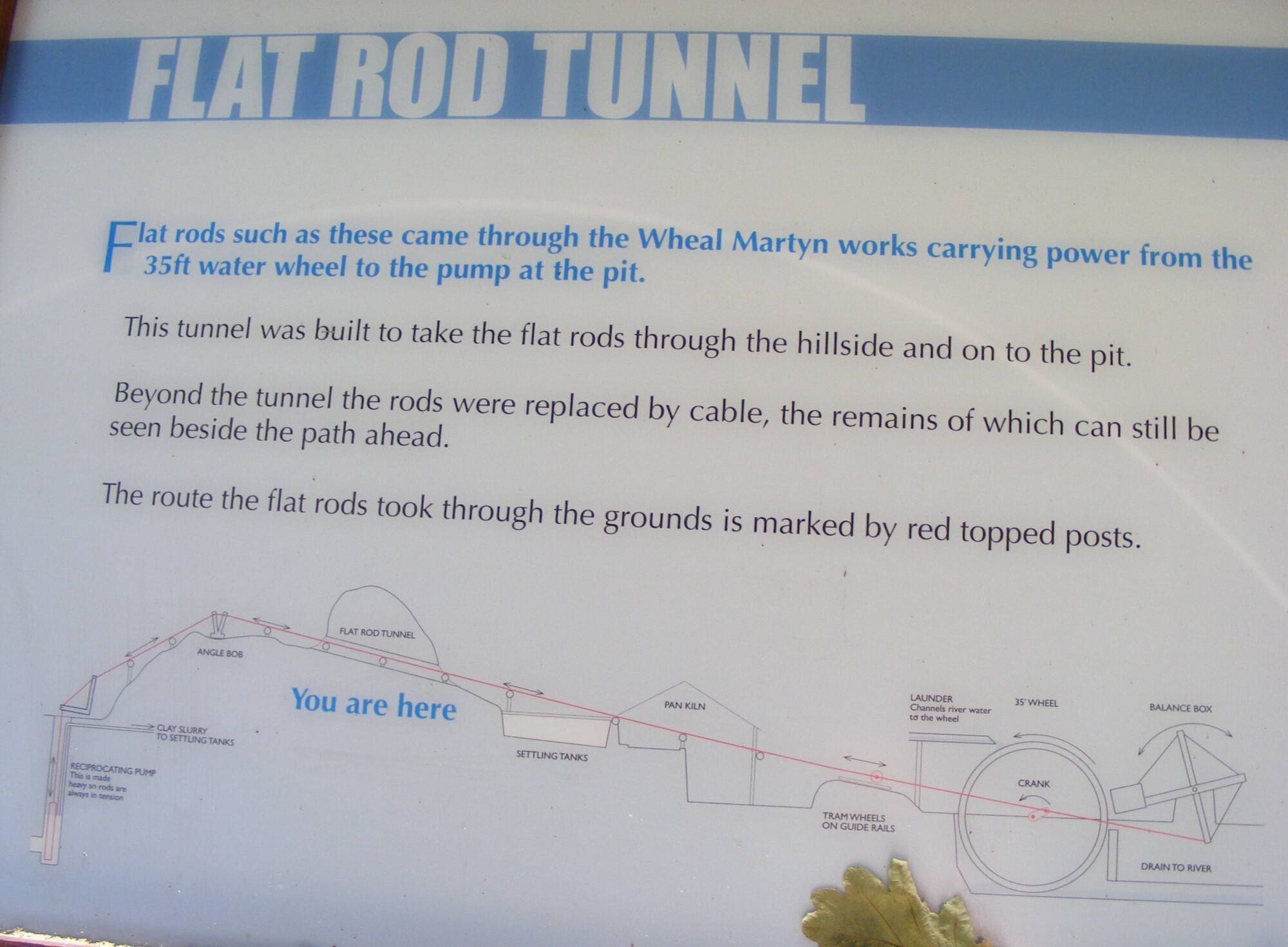
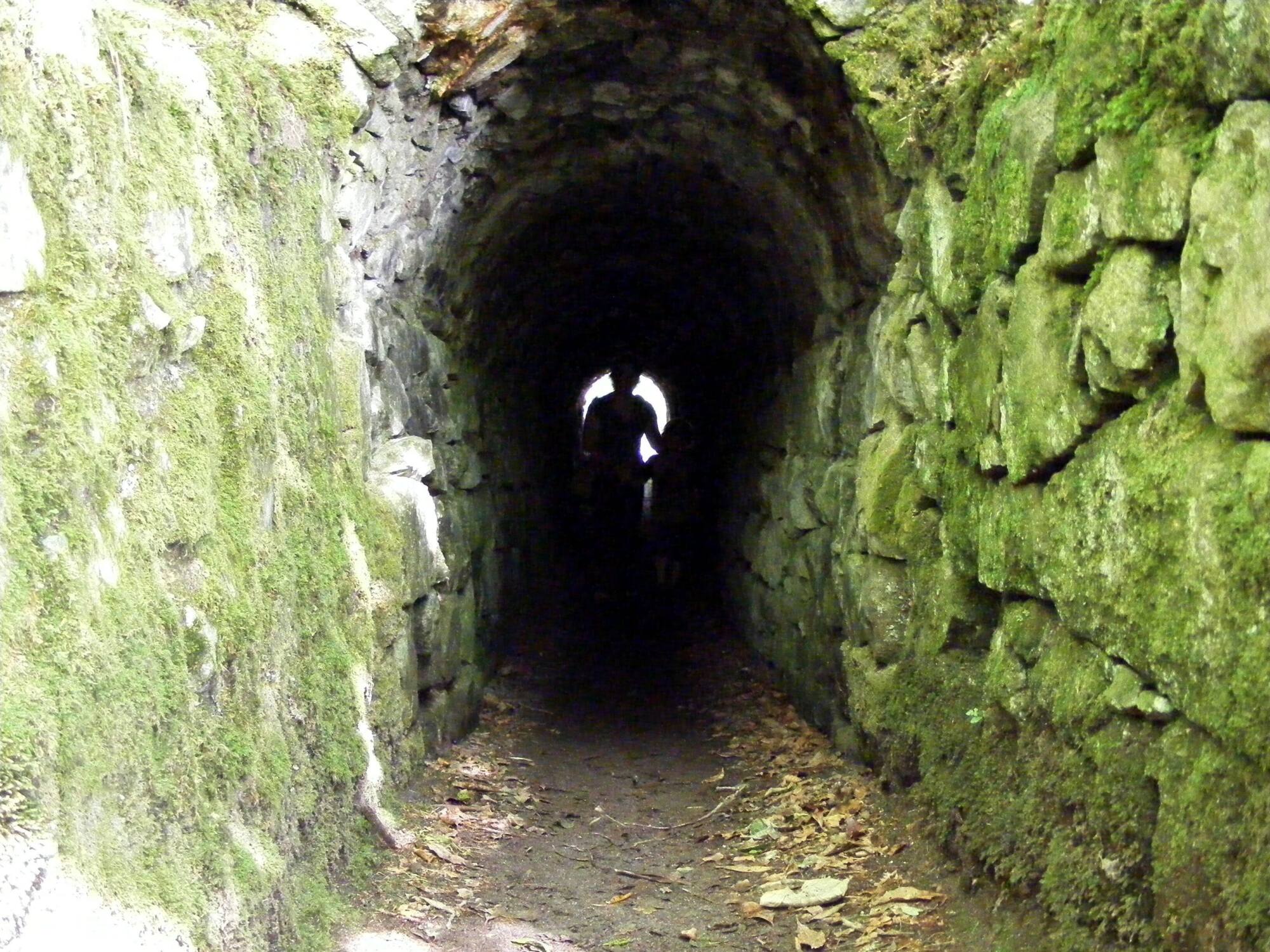
Flat rod tunnel
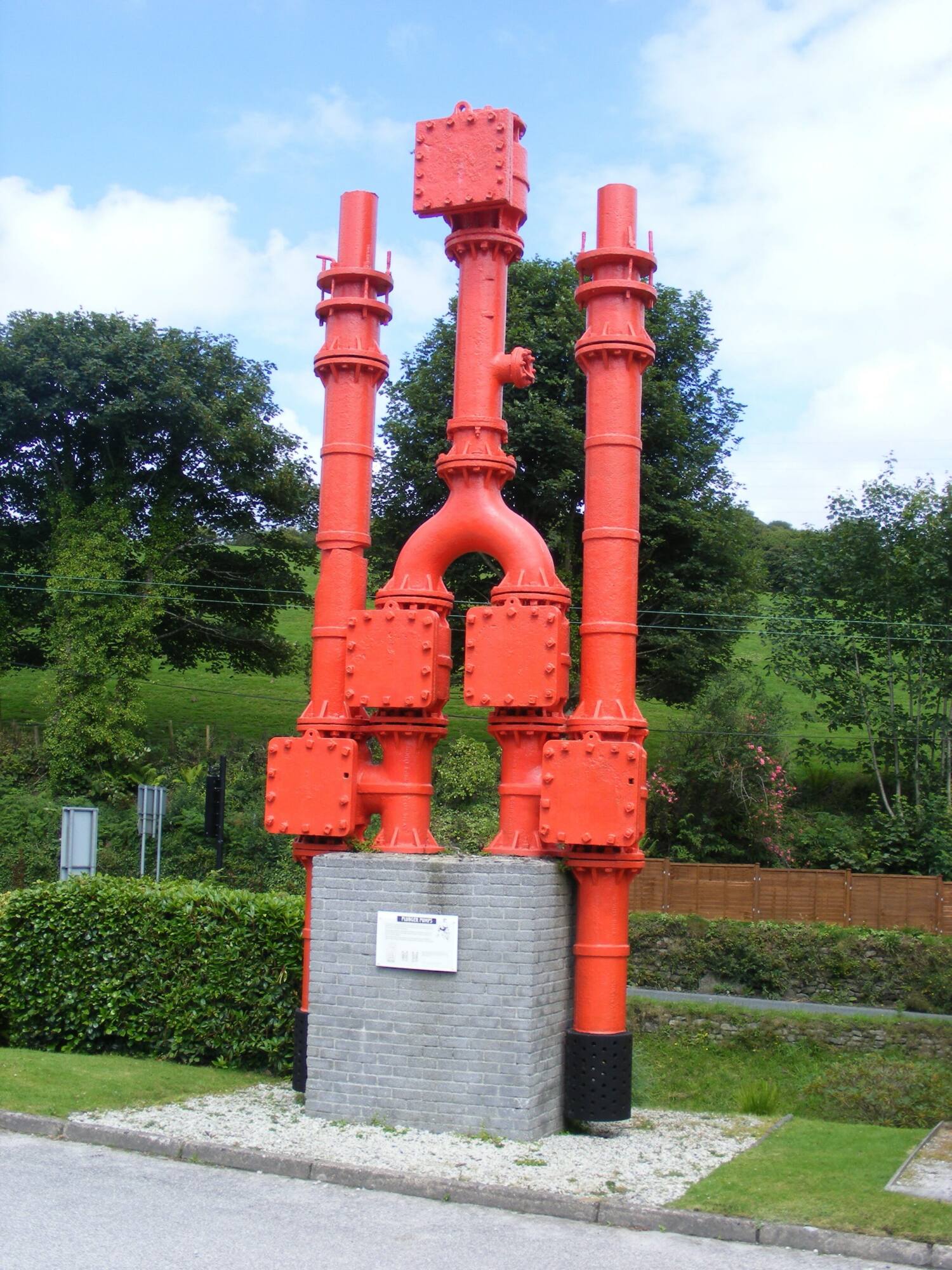
Plunger pump
Plunger pumps like this below, were developed by Richard Trevithick for the tin and copper mines in Cornwall.
Slurry flowing down the hill
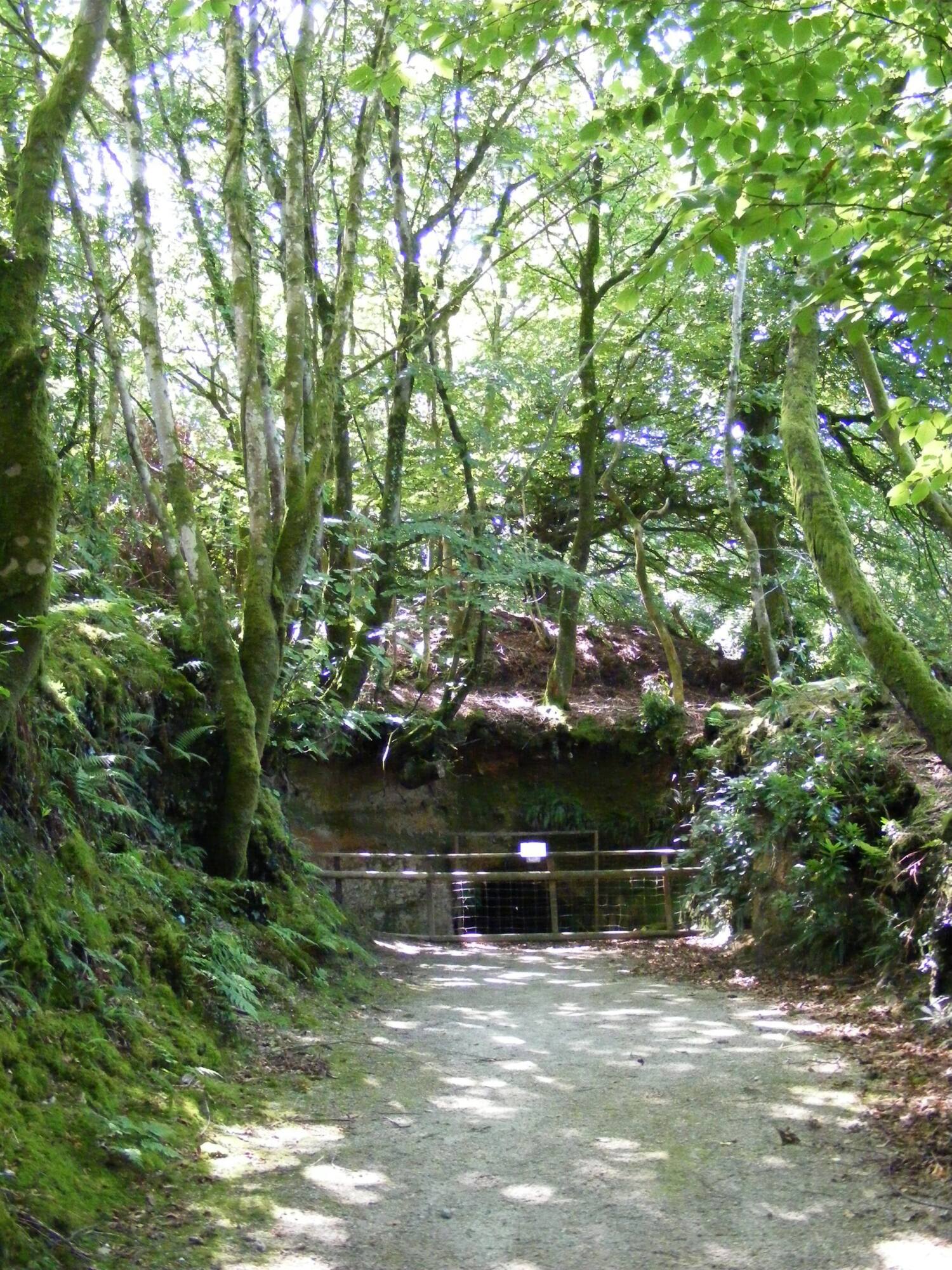
Adit or level
The mouth of a tunnel is an adit (or level), which carried clay slurry from the mine face to the drags further down the hill.
Drags
The slurry is pumped into these “drags”, which are troughs with a very gradually slope to them. The slurry moves slowly through them, allowing the sand and mica time to settle out. Only water and china clay flow over the top of the end of the trough. The drags had to be cleaned of sand around every eight hours. It was washed away down into the river below and then to the sea.
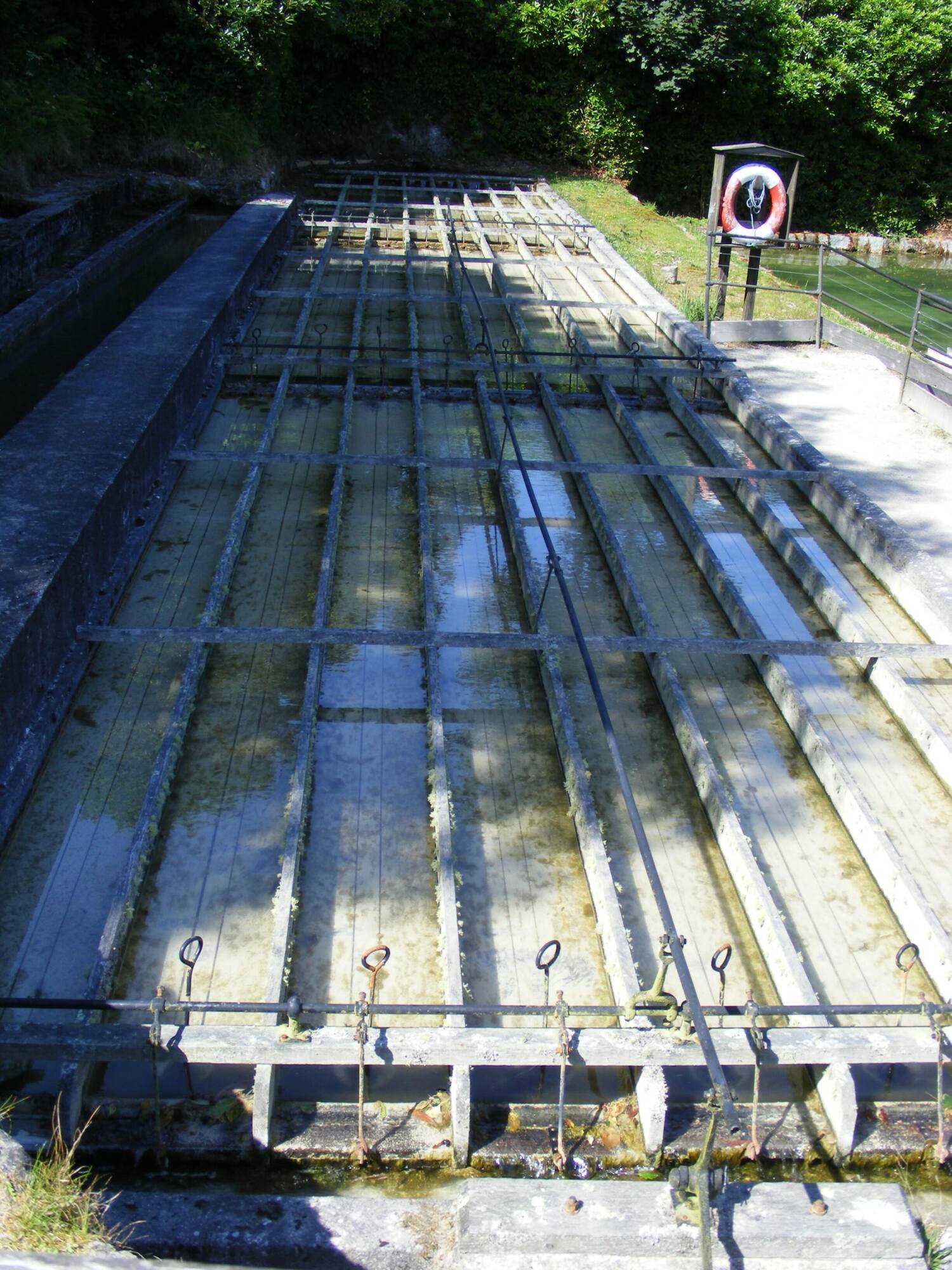
Settling pit and tanks
The pure china clay and water mix settles in pit, with the clear water running off the top until, after a few days, a consistency of single cream is achieved, when it went to another settling tank.
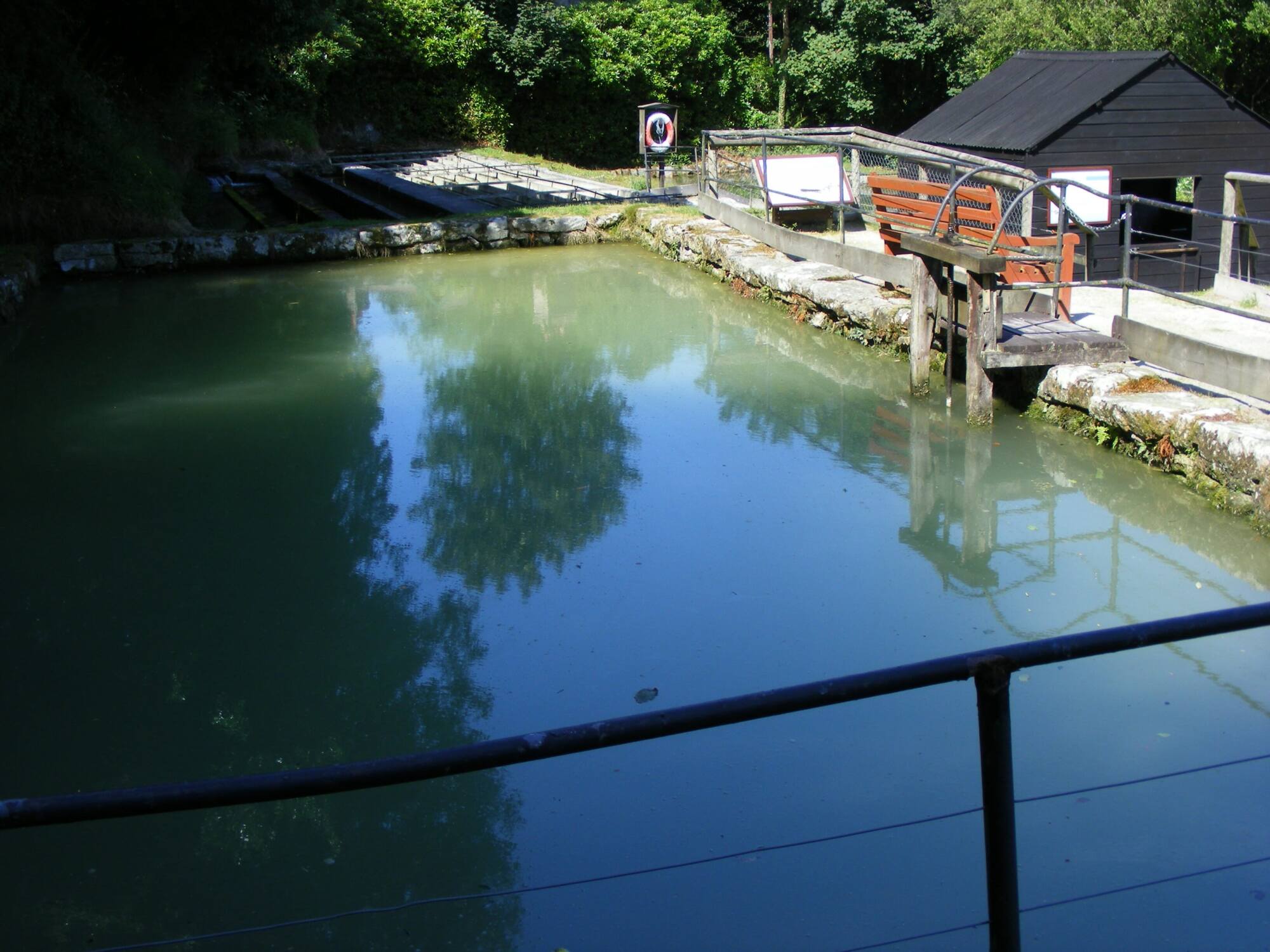
The final settling tank before it goes into the pan kiln. Incidentally, the hill in the background is man-made. It is a tip made from the gravel settled out during the china clay mining process.
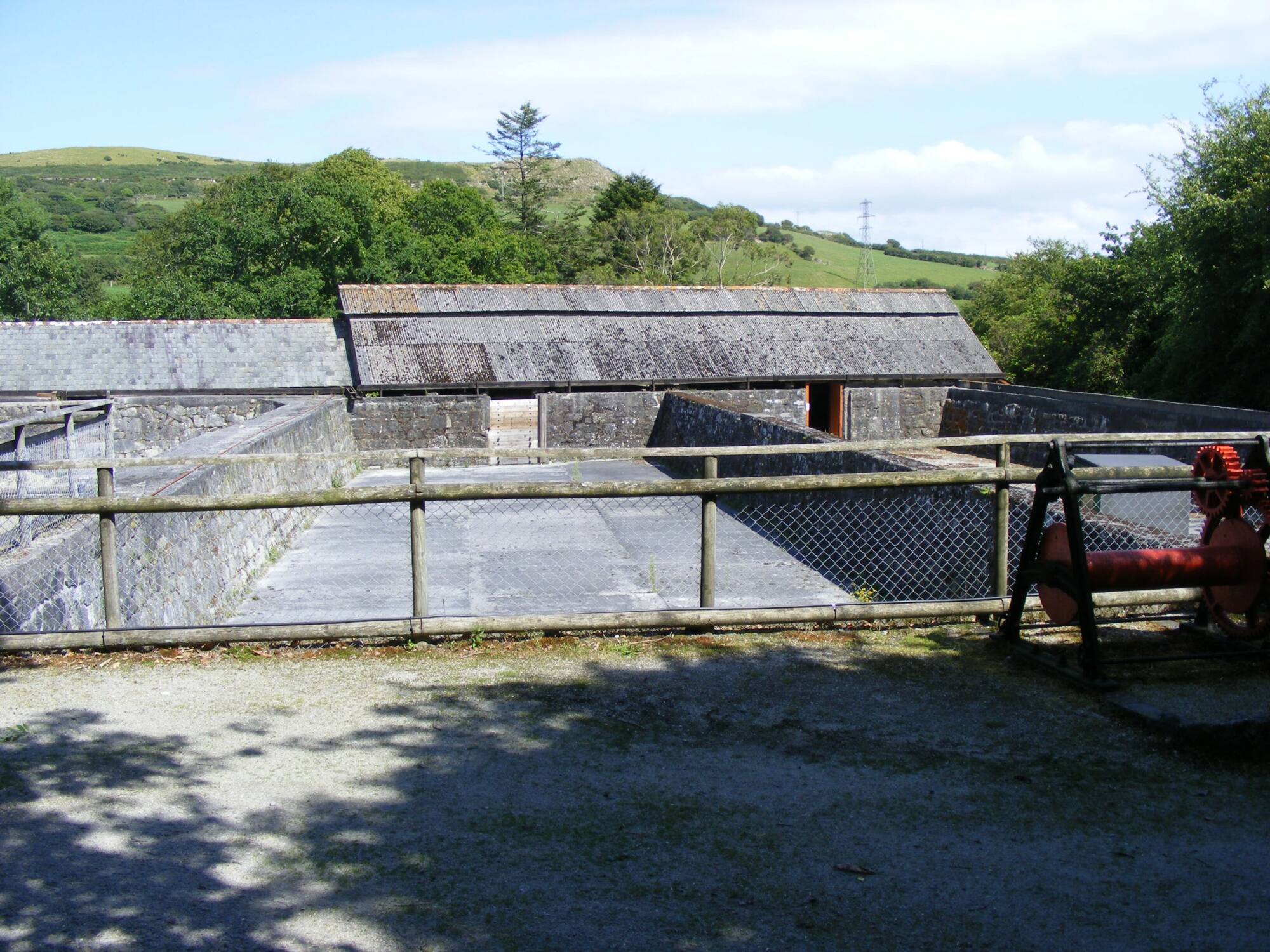
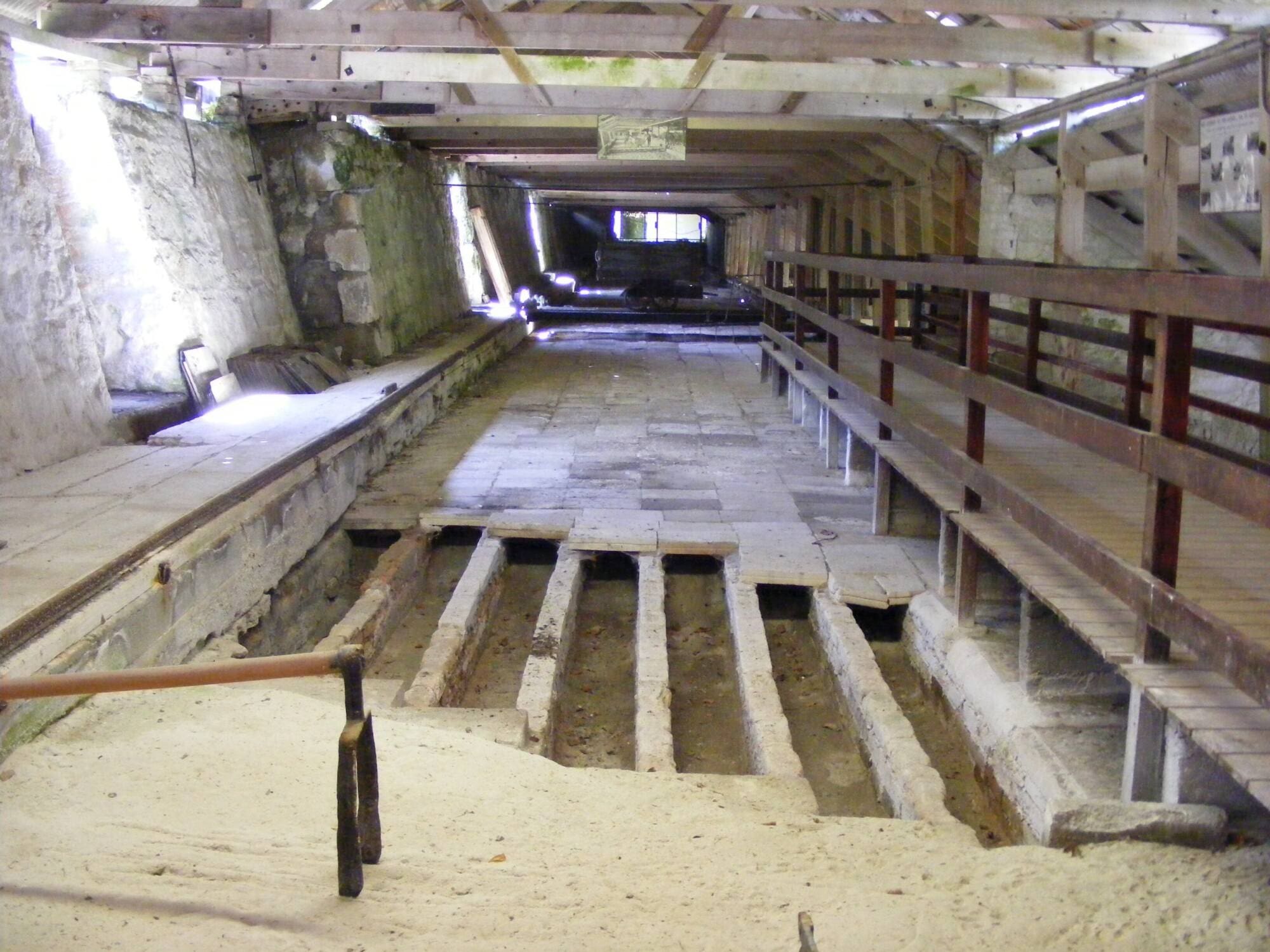
Pan kiln, locally known as ‘the dry’
Drying the china clay properly proved difficult in Cornwall’s damp climate, so sheds with underfloor heating were introduced. The china clay slurry was spread over the floor and then cut into liftable blocks when it is dry enough to remove.
You are given a new understanding of the landscape around St Austel after a visit to this great museum.